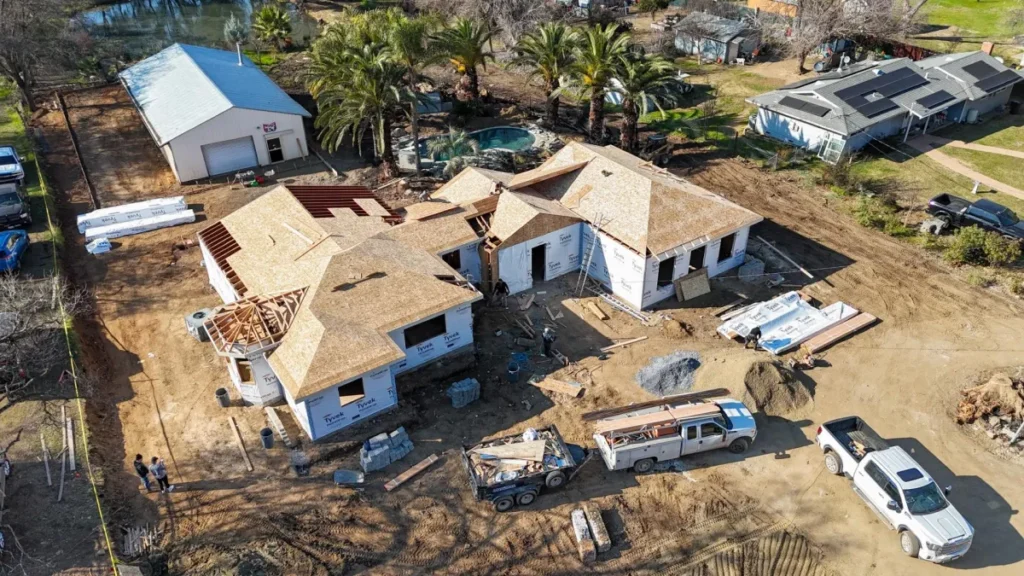
ADU remodeling costs in California typically range from $80,000 to $250,000, depending on the size of the unit, structural modifications, material quality, and local permit requirements. Most homeowners spend between $150 and $350 per square foot for a complete renovation. High-cost metro areas such as Los Angeles, San Diego, and the San Francisco Bay Area often exceed statewide averages due to labor rates and regulatory complexity.
The final price of an ADU renovation project depends on whether the remodel is cosmetic, structural, or involves full system upgrades. Minor interior improvements cost significantly less than foundation repairs, layout changes, or utility upgrades. Understanding these cost tiers helps homeowners plan realistic renovation budgets.
What is The Average ADU Remodeling Costs in California
The cost of a California ADU remodel can be grouped into three primary tiers.
- Basic cosmetic remodel: $80,000–$120,000
- Mid-range renovation: $120,000–$180,000
- High-end remodel: $180,000–$250,000+
- Average cost per square foot: $150–$350
- Permit and impact fees: $3,000–$15,000
A basic remodel typically includes flooring replacement, cabinet upgrades, interior painting, and minor plumbing or electrical adjustments. A mid-range ADU renovation may involve kitchen remodeling, bathroom reconstruction, and moderate layout changes. A high-end ADU remodel often includes structural reinforcement, premium finishes, custom cabinetry, and complete system upgrades.
ADU Remodeling Cost Per Square Foot in California
The cost per square foot for ADU remodeling in California ranges from $150 to $350, depending on labor complexity and material selection. Smaller units often have a higher per-square-foot cost due to fixed expenses such as permitting, design, and inspections. Larger ADUs benefit from economies of scale but still face high labor rates in urban markets.
Projects involving structural modifications, such as wall removal or roof replacement, push costs toward the upper end of the range. Cosmetic updates without layout changes typically fall near the lower end of the pricing spectrum.
Detailed ADU Remodeling Cost Breakdown
A complete ADU remodeling budget consists of multiple cost components. Each element contributes differently to the overall renovation expense.
| Cost Component | Average Cost Range | What It Includes |
| Architectural design services | $5,000–$20,000 | Drafting updated floor plans, structural calculations, and permit-ready documentation. Complex redesigns or structural reconfiguration increase design fees. |
| Building permits in California | $3,000–$15,000 | Plan review charges, inspection costs, school impact fees, and utility connection charges. Cities with strict zoning regulations may require additional compliance documentation. |
| Structural renovation costs | $20,000–$60,000+ | Foundation reinforcement, framing adjustments, seismic retrofitting, and roof repairs. Structural work increases both labor time and material costs. |
| Electrical systems and plumbing infrastructure upgrades | $15,000–$40,000 | Panel upgrades, new wiring, pipe replacement, and code-compliant installations. Utility modernization is often required for rental compliance. |
| Interior remodeling expenses | $25,000–$70,000 | Flooring, cabinetry, countertops, lighting, appliances, and paint. Premium materials such as quartz countertops and custom cabinetry significantly increase the total budget. |
What Factors Affect ADU Remodeling Costs in California?
Several major variables influence the total ADU renovation cost.
Location Within California
Regional labor rates and municipal building requirements significantly affect pricing. Metropolitan areas such as Los Angeles County and the Bay Area typically charge higher contractor rates than inland regions. Local inspection processes may also increase timelines and carrying costs.
Size of the ADU
The total square footage of the accessory dwelling unit directly impacts material usage and labor hours. However, fixed costs such as permits and design services do not scale proportionally, which affects smaller units more heavily.
Scope of Renovation
A cosmetic renovation project costs far less than a structural overhaul. Projects involving load-bearing wall removal, foundation repair, or major plumbing relocation require engineering oversight and specialized labor.
Utility and Infrastructure Upgrades
Older units often need electrical panel upgrades, sewer line replacements, or new HVAC systems. These infrastructure updates can add tens of thousands of dollars to the final remodeling price.
Compliance With California ADU Regulations
California ADU laws and local zoning regulations require strict compliance with safety, energy efficiency, and occupancy standards. Meeting current building codes may require insulation upgrades, fire-rated materials, and energy-efficient window installations.
ADU Remodeling Cost by City in California
The total ADU remodeling cost in California varies significantly by region due to differences in labor rates, permit requirements, and local construction demand. Urban coastal markets consistently report higher renovation expenses than inland areas. Understanding geographic pricing trends helps homeowners estimate realistic project budgets.
- Los Angeles ADU remodeling cost: $100,000–$260,000
- San Diego ADU renovation cost: $90,000–$240,000
- San Jose ADU remodel pricing: $110,000–$280,000
- San Francisco Bay Area ADU renovation: $120,000–$300,000+
- Sacramento ADU remodeling cost: $80,000–$200,000
- Riverside ADU renovation pricing: $75,000–$180,000
Higher costs in Northern California metropolitan markets are largely driven by union labor rates, stricter building enforcement, and high contractor demand. Inland regions typically offer lower labor pricing but still require compliance with statewide building codes.
Why ADU Remodeling Costs Are Higher in Coastal Cities
Elevated Labor Rates
Licensed contractor rates in Los Angeles and the Bay Area often exceed statewide averages. Skilled trades such as electricians, plumbers, and structural engineers command premium pricing due to high demand and limited availability.
Complex Permit Review Processes
Urban municipalities often have more rigorous plan review procedures and additional inspection requirements. Extended review timelines increase project duration and indirect costs.
Strict Energy and Seismic Standards
Many coastal cities require compliance with advanced energy efficiency standards and seismic retrofitting requirements. These regulations increase both material and engineering expenses.
What Permits Are Required for ADU Remodeling in California?
Most ADU remodeling projects in California require formal building permits and inspections. Permit requirements vary by city but generally include structural review, electrical inspection, plumbing compliance, and final occupancy approval.
Failure to secure proper permits can result in fines, forced corrections, or difficulty renting the unit legally. Compliance with California building codes ensures safety and long-term property value.
Common Permit Requirements
- Building permit approval
- Electrical permit
- Plumbing permit
- Mechanical permit
- Final inspection certification
Permit fees usually range from $3,000 to $15,000 depending on jurisdiction and project scope.
Hidden Costs in ADU Remodeling Projects
Unexpected expenses frequently arise during California ADU renovations. Homeowners should plan for contingency reserves of 10–20 percent of the total budget.
Common hidden costs include:
- Structural damage discovery
- Outdated electrical systems
- Sewer line replacement
- Soil or foundation issues
- Material price fluctuations
Older properties built before modern code requirements often require additional upgrades to meet current standards.
Estimate Your Renovation Budget with Greater Accuracy
Accurate cost planning reduces financial stress and prevents mid-project surprises. Small budgeting gaps can affect loan approvals and material selections. To better forecast your total renovation expense, use our ADU remodeling cost calculator and generate a customized estimate based on your unit size and upgrade level.
Step-by-Step ADU Remodeling Budget Framework
Define the Scope of Work
Start by clarifying the full renovation scope. Determine whether the project involves cosmetic upgrades, structural changes, or full system replacements. The more extensive the scope, the higher the final project cost.
A clearly defined project specification document helps contractors provide accurate bids and prevents unexpected change orders.
Obtain Multiple Contractor Bids
Request at least three detailed quotes from licensed California contractors. Each bid should outline labor costs, materials, project timeline, and permit handling.
Comparing bids allows homeowners to identify pricing inconsistencies and evaluate contractor experience with ADU renovation projects.
Account for Soft Costs
Beyond construction, homeowners must budget for architectural design services, engineering reports, energy compliance documentation, and inspection fees. These soft costs typically represent 10–25 percent of the total remodeling budget.
Failing to include professional service fees can distort the overall cost projection.
Plan for Financing Costs
If using borrowed funds, factor in loan origination fees, interest payments, and potential appraisal charges. Financing expenses can meaningfully increase the total project investment over time.
Financing Options for ADU Remodeling in California
Several funding solutions are available for California ADU renovation projects. Choosing the right option depends on equity position, credit profile, and long-term financial goals.
Home Equity Line of Credit
A home equity line of credit allows homeowners to borrow against accumulated property equity. Interest rates are typically lower than personal loans, making this a common financing strategy.
However, monthly payments may fluctuate depending on variable interest rates.
Cash-Out Refinance
A cash-out refinance mortgage replaces the existing home loan with a larger one, providing access to renovation capital. This option may be beneficial when interest rates are favorable.
Closing costs and extended loan terms should be carefully evaluated.
Renovation Loans
Specialized home renovation loan programs are designed specifically for remodeling projects. These loans may include structured disbursement schedules tied to construction milestones.
Loan qualification requirements vary by lender and financial institution.
Frequently Asked Questions
A small ADU remodel under 500 square feet typically costs between $60,000 and $120,000 depending on structural condition and finish level. Smaller units often have higher per-square-foot costs due to fixed permit and design expenses.
In general, ADU renovation expenses are not immediately tax deductible unless the unit is used as a rental property. Rental-related improvements may qualify for depreciation benefits. Homeowners should consult a licensed tax professional for guidance.
Recent California ADU legislation has streamlined permitting in many cities, reducing administrative delays. However, construction labor and material pricing remain the primary cost drivers.
A properly designed accessory dwelling unit renovation can improve property functionality, increase resale value, and create supplemental income opportunities. Financial outcomes vary by market conditions and project execution quality.