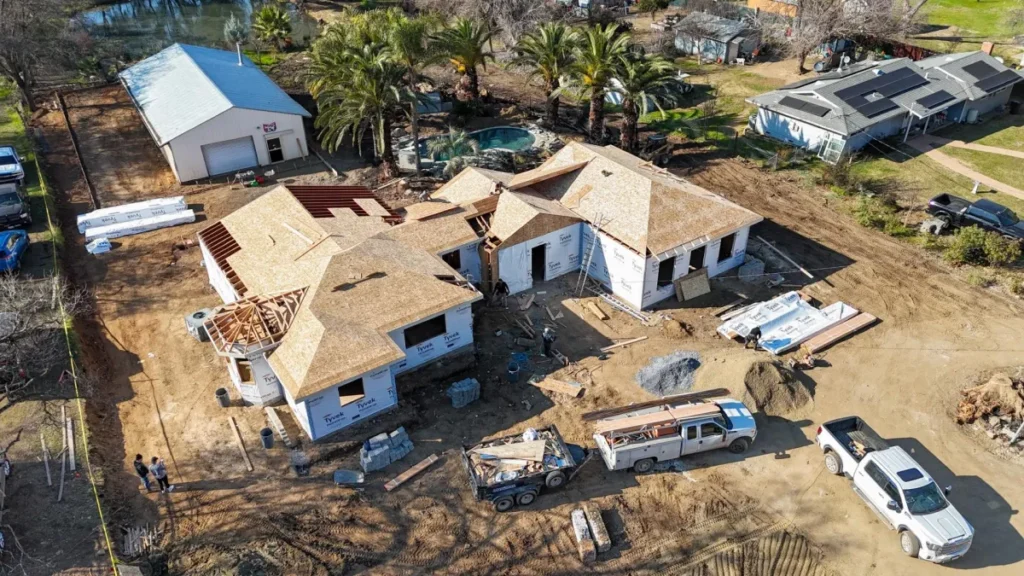
The best sustainable ADU materials are those that reduce embodied carbon emissions, improve energy efficiency, and enhance long-term durability. Top options include cross-laminated timber (CLT) for carbon storage, recycled steel framing for strength and recyclability, hempcrete for carbon-negative insulation, and cellulose insulation for low embodied energy. The right choice depends on your climate zone, building code requirements, and lifecycle cost priorities.
What Are Sustainable ADU Materials?
Sustainable ADU Materials refer to environmentally responsible construction resources used in building an Accessory Dwelling Unit (ADU). An ADU is a secondary residential structure located on the same property as a primary home, often designed as a detached backyard unit, garage conversion, or basement apartment. As housing demand rises and urban density increases, eco-conscious construction practices are becoming central to small-scale residential development.
The concept of sustainability in ADU construction goes beyond simply using “green” products. It involves selecting low-impact building materials, optimizing energy performance, reducing embodied carbon emissions, and planning for long-term durability. Because ADUs are compact structures, material efficiency plays a disproportionately important role in their environmental footprint.
The growing interest in climate-resilient housing, urban infill development, and carbon reduction strategies has made sustainable material selection one of the most important design decisions in modern ADU projects.
Why Material Selection Is Critical in ADU Sustainability
Choosing the right materials determines both the embodied carbon footprint and the operational energy efficiency of an ADU. While operational carbon refers to emissions generated during occupancy through heating, cooling, and electricity use, embodied carbon includes emissions produced during raw material extraction, manufacturing processes, transportation, and construction activities.
Because ADUs are smaller than traditional homes, high-performance materials can dramatically influence overall energy demand. For example, upgrading insulation, framing systems, or structural components can significantly reduce heating and cooling loads over time. This makes lifecycle thinking essential when comparing material options.
Additionally, local building codes, climate zones, and municipal sustainability policies often influence which materials are practical or compliant. In wildfire-prone areas, fire-resistant assemblies may be required. In coastal regions, moisture-resistant materials become critical. Therefore, sustainable material selection must balance environmental performance, regulatory compliance, and long-term resilience.
Need To Know Sustainability in ADU Construction
Embodied carbon measures the total greenhouse gas emissions associated with a material’s production and installation. Materials like cross-laminated timber (CLT) may store carbon, while materials such as traditional concrete often generate high carbon emissions during production. Lower embodied carbon typically indicates a more climate-friendly material choice.
Energy Efficiency (R-Value)
The R-value represents a material’s resistance to heat flow. Higher R-values indicate better insulation performance. Selecting insulation materials with strong thermal resistance reduces operational energy consumption and enhances occupant comfort.
Indoor Air Quality Impact
Materials that emit volatile organic compounds (VOCs) can negatively affect indoor air quality. Choosing low-VOC paints, non-toxic adhesives, and natural insulation products supports healthier living environments.
Durability and Lifecycle Performance
A sustainable material must perform well over time. Material durability, moisture resistance, and structural longevity reduce the need for replacements and minimize resource consumption throughout the building lifecycle.
Recyclability and Renewable Content
Materials made from renewable resources or recycled content contribute to a circular economy model. Products that can be reused or recycled at the end of life reduce landfill waste and lower environmental impact.
Lifecycle Assessment in Material Selection
Raw Material Extraction
The environmental cost begins at the extraction phase. Mining for metals or harvesting timber affects ecosystems, biodiversity, and land use. Materials sourced from responsibly managed forests or recycled streams typically have lower ecological impact.
Manufacturing Impact
The energy intensity of manufacturing processes significantly influences embodied carbon. Materials requiring high-temperature kilns or chemical processing often generate higher emissions compared to naturally cured or minimally processed alternatives.
Transportation Footprint
Transportation contributes to overall emissions, especially when materials are shipped internationally. Selecting locally sourced materials reduces supply chain emissions and supports regional economies.
Construction Waste
Efficient construction systems like prefabricated panels or modular assemblies reduce job-site waste. Waste reduction directly improves sustainability metrics and lowers disposal costs.
End-of-Life Considerations
Materials designed for disassembly or recycling enhance long-term sustainability. Recyclable steel, reusable timber, and biodegradable insulation support responsible end-of-life management.
What are The Structural Sustainable Materials for ADUs?
Cross-Laminated Timber (CLT) is an engineered wood product made by layering lumber boards perpendicular to one another and bonding them with structural adhesives. This configuration provides exceptional strength and dimensional stability.
One of the primary sustainability benefits of CLT is carbon sequestration. Trees absorb carbon dioxide during growth, and that carbon remains stored within the wood throughout its lifespan. When sourced from responsibly managed forests certified by organizations such as the Forest Stewardship Council (FSC), CLT becomes a strong low-carbon alternative to conventional concrete and steel.
CLT also supports faster construction timelines due to its prefabricated panel format. Reduced on-site labor and material waste further enhance its environmental performance.
Recycled Steel
Recycled steel framing systems provide high structural strength while reducing reliance on virgin raw materials. Steel is one of the most recycled materials globally, and using recycled content significantly lowers embodied carbon compared to newly produced steel.
Steel offers a superior strength-to-weight ratio, enabling efficient structural spans and thinner profiles. It also provides durability against pests, moisture, and fire, making it suitable for various climate conditions.
Although steel production is energy-intensive, recycled steel reduces overall environmental impact and supports material circularity. Its long lifespan and full recyclability contribute to sustainable ADU construction.
Hempcrete
Hempcrete is a bio-composite material made from the woody core of the hemp plant mixed with a lime-based binder. While not typically load-bearing, it serves as an insulating infill material within structural framing systems.
One of hempcrete’s most notable advantages is its potential for carbon-negative performance. The hemp plant absorbs carbon dioxide during growth, and the lime binder continues to absorb carbon as it cures. This dual carbon capture effect makes hempcrete a compelling sustainable material.
Hempcrete also provides natural moisture regulation and thermal insulation, enhancing indoor comfort. Its vapor-permeable properties help prevent mold growth and improve indoor air quality.
Rammed Earth
Rammed earth construction involves compacting layers of natural soil into rigid wall systems. This method has been used for centuries and is experiencing renewed interest due to its low embodied energy and high thermal mass.
Rammed earth walls provide excellent thermal mass performance, absorbing heat during the day and releasing it at night. This stabilizes indoor temperatures, particularly in hot and dry climates.
When sourced locally, rammed earth dramatically reduces transportation emissions. However, proper engineering and moisture protection are essential to ensure structural stability and longevity.
What are The Sustainable Insulation Options for ADUs
Sheep wool insulation is a natural fiber product offering strong thermal performance and moisture regulation. Wool can absorb and release moisture without losing insulating capability, making it well-suited for variable climates.
Because wool is a renewable resource, it supports sustainable agriculture and biodegradable material cycles. Its low embodied energy further strengthens its environmental profile.
Recycled Denim Insulation
Recycled denim insulation is manufactured from post-consumer cotton fibers. This material diverts textile waste from landfills while providing effective thermal and acoustic insulation.
Denim insulation typically contains no formaldehyde or harmful additives, contributing to healthier indoor air quality. Its installation process is also safer for workers compared to fiberglass alternatives.
Cellulose Insulation
Cellulose insulation is primarily made from recycled newspaper treated with fire-retardant additives. It has a relatively low embodied carbon footprint and offers strong thermal resistance.
Because cellulose is densely packed into wall cavities, it helps reduce air infiltration. This improves overall building envelope performance and reduces energy consumption.
Structural Insulated Panels (SIPs)
Structural Insulated Panels (SIPs) consist of an insulating foam core sandwiched between structural facings, often made of oriented strand board. SIPs create highly airtight building envelopes, significantly reducing thermal bridging.
Prefabricated SIP systems minimize construction waste and accelerate project timelines. When combined with sustainable sourcing practices, SIPs contribute to high-performance ADU construction.
Certifications and Green Building Standards for ADUs
LEED Certification (Leadership in Energy and Environmental Design) is one of the most widely recognized green building rating systems in the world. It evaluates buildings across categories such as energy efficiency, water conservation, material sourcing, and indoor environmental quality. For ADUs, LEED can apply to both new construction and major renovations.
Material selection plays a significant role in achieving LEED points. Credits are awarded for using low-emitting materials, recycled content products, and regionally sourced materials. Documentation of Environmental Product Declarations (EPDs) and responsible sourcing certifications strengthens compliance.
Although LEED certification may not always be required for small residential structures, its framework provides a structured roadmap for sustainable decision-making in ADU projects.
Passive House Standard
The Passive House Standard focuses on ultra-low energy performance and airtight building envelopes. Unlike rating systems that distribute points across many categories, Passive House prioritizes measurable performance thresholds, especially related to heating and cooling demand.
Material selection under Passive House emphasizes high R-value insulation, thermal bridge reduction, and advanced air sealing systems. Windows, wall assemblies, and insulation materials must work together to minimize energy loss.
For ADUs in colder climates, Passive House principles can drastically reduce operational energy demand. Even without full certification, applying its material guidelines can significantly improve sustainability outcomes.
ENERGY STAR Certification
ENERGY STAR Certification is primarily associated with energy-efficient appliances and building components. In residential construction, ENERGY STAR-compliant homes meet strict energy performance benchmarks verified by third-party testing.
In the context of sustainable ADU materials, ENERGY STAR focuses on high-efficiency HVAC systems, insulation performance, and advanced window assemblies. Material choices that improve airtightness and thermal resistance directly support certification goals.
Because ADUs are compact spaces, efficient systems and envelope materials can generate disproportionately large energy savings relative to total floor area.
Living Building Challenge
The Living Building Challenge is one of the most rigorous sustainability standards in the construction industry. It evaluates buildings across categories called “petals,” including energy, water, materials, equity, and beauty.
A central component of this certification is the Red List, which identifies harmful chemicals and materials that must be avoided. Sustainable ADU material selection under this framework requires strict attention to toxicity, supply chain transparency, and regenerative sourcing.
Although achieving full certification may be ambitious for many ADU projects, its material guidelines provide a high benchmark for environmentally responsible construction.
FSC and Cradle-to-Cradle Certifications
The Forest Stewardship Council (FSC) certification ensures that wood products originate from responsibly managed forests. Using FSC-certified timber in framing, flooring, or cladding supports biodiversity protection and ethical forestry practices.
Cradle-to-Cradle Certification evaluates materials based on health, recyclability, renewable energy use, water stewardship, and social fairness. Products certified under this framework are designed for circular material cycles rather than landfill disposal.
Incorporating certified materials enhances credibility, improves environmental transparency, and supports long-term sustainability goals for ADU construction.
Sustainable ADU Builders and Smart Construction Practices
Sustainable materials perform best when paired with proper construction methods. Precision framing, airtight installation, and efficient project management all affect long-term energy performance. Even high-quality materials can underperform if design and execution are not aligned.
That is why homeowners benefit from working with professionals who specialize in custom ADU design and construction, ensuring sustainable materials are integrated correctly and built to meet modern efficiency standards.
Panelized Construction
Panelized construction systems involve fabricating wall, floor, and roof panels off-site before assembly. These systems allow precise cutting of framing materials, reducing excess waste.
Panelized approaches improve thermal performance by enabling better insulation placement and tighter air sealing. When paired with sustainable materials such as engineered wood products or recycled insulation, panelized construction supports high-efficiency building envelopes.
This method balances the customization of site-built construction with the efficiency advantages of prefabrication.
3D Printed ADUs
3D printed construction technology is an emerging method that uses automated equipment to deposit layers of material, often concrete-based mixtures, to form structural walls. This technique reduces labor demands and can minimize material waste.
Sustainability outcomes depend on the specific material formulation used in printing. Innovations in low-carbon concrete alternatives and bio-based composites are improving the environmental profile of 3D printed ADUs.
Although still evolving, this method demonstrates the potential for integrating advanced manufacturing processes with sustainable material science.
Climate-Specific Material Considerations
In coastal climates, moisture exposure and salt air create corrosion risks. Sustainable ADU materials in these regions must emphasize moisture resistance, corrosion-resistant framing systems, and durable exterior finishes.
Materials such as treated timber, fiber cement siding, and corrosion-resistant steel fasteners enhance longevity. Vapor-permeable wall assemblies also help manage humidity levels.
Selecting durable materials reduces replacement frequency, lowering long-term environmental impact.
Wildfire-Prone Areas
In wildfire-prone regions, fire resistance becomes a primary concern. Sustainable choices include non-combustible cladding materials, fiber cement siding, and metal roofing systems.
Using fire-resistant insulation and ember-resistant vent systems increases building resilience. Although some natural materials are sustainable, they must meet local fire safety codes.
Balancing sustainability and safety requires careful evaluation of both environmental performance and hazard resistance.
Cold Climate Zones
In cold climate regions, high-performance insulation and airtight construction are critical. Materials with superior R-values reduce heating demand and prevent condensation within wall cavities.
Triple-glazed windows, continuous exterior insulation, and vapor control membranes improve overall envelope efficiency. Selecting materials that prevent thermal bridging ensures long-term energy savings.
Durability in freeze-thaw cycles is also essential to avoid structural degradation.
Hot and Dry Climates
In hot and dry climates, thermal mass and reflective materials play a central role. Materials such as rammed earth or insulated concrete forms can stabilize indoor temperatures.
Reflective roofing materials reduce solar heat gain. Proper shading systems and breathable wall assemblies further enhance comfort.
Sustainable ADU materials in these climates must balance heat resistance with moisture management during seasonal changes.
Cost Versus Sustainability: Economic Considerations
Some sustainable materials carry higher initial price points due to certification, advanced manufacturing processes, or limited supply chains. Engineered timber products or specialized insulation systems may cost more than conventional alternatives.
However, evaluating materials solely on upfront cost ignores long-term environmental and financial benefits.
Long-Term Energy Savings
High-performance insulation, airtight envelopes, and efficient windows significantly reduce operational energy costs. Over time, these savings can offset initial investments.
Lower energy consumption also reduces household carbon emissions, aligning financial benefits with environmental responsibility.
Incentives and Tax Credits
Many jurisdictions offer energy efficiency rebates, green building incentives, and tax credits for sustainable construction. These programs reduce financial barriers to adopting advanced materials and high-performance systems.
Researching local incentives can significantly influence material selection decisions in ADU projects.
Local Sourcing Benefits
Using locally sourced materials reduces transportation emissions and strengthens regional supply chains. Local sourcing may also shorten lead times and lower shipping costs.
Incorporating regional materials enhances sustainability while supporting community-based economic development.
Supply Chain Emissions Impact
Evaluating supply chain emissions involves analyzing production methods, transportation distances, and manufacturing energy sources. Transparent suppliers that provide environmental disclosures enable better decision-making.
Understanding the full supply chain impact ensures that sustainability claims align with measurable environmental outcomes.
Comparing Sustainable Materials: A Practical Decision Framework
Embodied carbon assessment measures greenhouse gas emissions associated with extraction, production, transportation, and installation. Materials such as cross-laminated timber (CLT) and hempcrete often demonstrate lower embodied carbon profiles compared to conventional concrete or virgin steel.
Recycled materials, including recycled steel framing, significantly reduce emissions compared to newly manufactured equivalents. However, transportation distance and manufacturing energy sources can alter total carbon impact.
Using third-party verified documents such as Environmental Product Declarations (EPDs) provides transparent emissions data for accurate comparisons.
Thermal Performance and R-Value Analysis
Thermal resistance performance, commonly expressed as R-value, determines insulation efficiency. Materials such as structural insulated panels (SIPs) and dense-pack cellulose insulation typically provide strong thermal resistance.
Comparing R-values alone is insufficient. Builders must also evaluate air sealing capability, thermal bridging reduction, and overall building envelope design.
High-performance insulation materials reduce operational carbon emissions over the building’s lifespan, making them critical in climate-sensitive regions.
Durability and Maintenance Requirements
Material durability influences lifecycle sustainability. Long-lasting materials reduce replacement frequency, lowering resource extraction and waste generation.
For example, metal roofing systems may last significantly longer than asphalt shingles. Similarly, treated engineered wood products often outperform untreated lumber in moisture-prone climates.
Evaluating maintenance cycles and expected service life ensures sustainable materials remain cost-effective over decades.
Climate-Specific Suitability
Climate adaptation is central to sustainable design. Materials must align with regional weather patterns, humidity levels, and hazard exposure.
In wildfire-prone regions, non-combustible exterior cladding improves safety and resilience. In cold climates, high R-value assemblies and airtight membranes are essential.
Selecting materials optimized for local climate reduces structural stress and energy consumption over time.
How to Choose the Right Sustainable Materials for Your ADU
Step 1: Identify Climate Zone and Environmental Risks
Begin by analyzing your climate zone classification, temperature patterns, and potential hazards such as flooding or wildfire. Climate directly influences insulation levels, moisture control strategies, and structural material durability.
Local building departments often provide climate guidance and code requirements that impact material selection.
Step 2: Define Sustainability Priorities
Different projects emphasize different sustainability goals. Some homeowners prioritize carbon footprint reduction, while others focus on energy efficiency, indoor air quality, or renewable resource use.
Clarifying primary objectives simplifies material comparison and narrows the decision set.
Step 3: Review Building Codes and Certification Goals
Consult local building codes, zoning ordinances, and fire safety regulations. If pursuing a certification such as LEED Certification or the Passive House Standard, ensure materials meet performance and documentation requirements.
Certification frameworks often provide structured sustainability benchmarks.
Step 4: Compare Lifecycle Costs
Evaluate lifecycle cost analysis, not just upfront pricing. Consider maintenance frequency, energy savings, durability, and potential replacement intervals.
High-performance materials may require larger initial investments but provide lower total ownership costs.
Step 5: Evaluate Supply Chain Transparency
Choose suppliers that provide detailed environmental documentation, including EPDs and sourcing disclosures. Transparent supply chains improve accountability and reduce greenwashing risks.
Responsible sourcing supports long-term environmental stewardship and strengthens sustainability claims.
Future Trends in Sustainable ADU Materials
Carbon-negative construction materials absorb more carbon dioxide than they emit during production. Bio-based materials such as hemp composites and algae-based insulation products are gaining attention.
Advancements in carbon-sequestering concrete alternatives are also reducing emissions in traditionally high-impact materials.
Biocomposite Materials
Biocomposite materials combine natural fibers with bio-based resins to create durable structural elements. These materials offer lightweight strength and renewable sourcing advantages.
As material science advances, biocomposites may replace petroleum-based plastics and synthetic insulation products.
Circular Economy Construction
Circular economy construction principles focus on designing buildings for disassembly and reuse. Modular systems and mechanical fasteners enable materials to be reclaimed rather than demolished.
Designing ADUs with reusable structural components supports waste reduction and long-term resource conservation.
AI-Driven Material Optimization
Artificial intelligence in construction design enables predictive modeling of energy performance and material efficiency. Algorithms can analyze climate data, material databases, and cost inputs to recommend optimized assemblies.
Integrating AI tools into ADU planning enhances decision accuracy and reduces environmental impact.
Smart Sustainable Materials
Innovations in smart building materials include self-healing concrete, phase-change insulation, and dynamic glazing systems. These materials adapt to environmental conditions, improving efficiency without increasing energy demand.
As technology advances, adaptive materials will play a growing role in resilient ADU construction.
Conclusion:
Designing an ADU with sustainable materials requires more than choosing eco-labeled products. It involves understanding embodied carbon impact, energy efficiency performance, lifecycle durability, and climate adaptation strategies.
By applying structured evaluation methods, referencing trusted certification systems, and prioritizing long-term environmental outcomes, homeowners and builders can significantly reduce the ecological footprint of small-scale housing.
As innovation continues in carbon-negative materials, biocomposite technologies, and circular construction systems, sustainable ADUs will become more accessible and cost-effective. Thoughtful material selection today lays the foundation for resilient, efficient, and environmentally responsible housing tomorrow.
Frequently Asked Questions
What are the most environmentally friendly materials for ADUs?Materials such as cross-laminated timber, hempcrete, recycled steel, and cellulose insulation are often considered environmentally responsible. Their sustainability depends on sourcing practices, manufacturing processes, and regional suitability.
Are sustainable materials more expensive?Some sustainable materials carry higher upfront costs, but many reduce long-term operational expenses. When evaluated through lifecycle cost analysis, high-performance materials often provide financial benefits over time.
How do certifications improve material sustainability?Certifications such as FSC Certification, Cradle-to-Cradle Certification, and LEED Certification provide third-party verification of environmental claims. They ensure transparency in sourcing, toxicity levels, and lifecycle performance.
Can sustainable materials improve indoor air quality?Yes. Choosing low-VOC paints, non-toxic adhesives, and natural insulation products significantly improves indoor air quality. Health-focused material selection reduces exposure to harmful chemical emissions.
Do climate conditions affect material sustainability?Climate plays a major role in determining performance. Materials that perform well in dry environments may deteriorate in high-humidity regions. Selecting climate-appropriate materials ensures durability and energy efficiency.