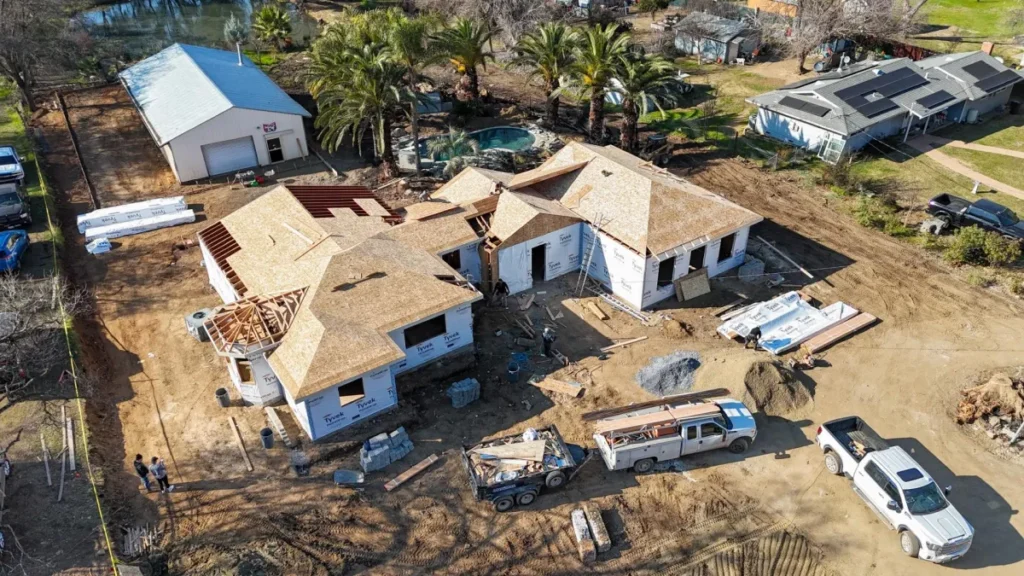
A Tenant Improvement Checklist is a structured planning framework used to manage commercial build-outs, leasehold improvements, and interior fit-outs. It helps align tenants, landlords, and construction teams around scope, cost, compliance, and timelines. By breaking the process into discrete phases, the checklist reduces risk, prevents oversights, and improves project predictability.
What Is a Tenant Improvement Checklist?
A Tenant Improvement Checklist is a step-by-step reference document that outlines all tasks, approvals, and requirements involved in modifying a leased commercial space. It covers everything from lease review and design planning to construction closeout and move-in readiness.
The checklist ensures that tenant improvements are completed in accordance with the commercial lease agreement and applicable building codes. Unlike general renovation lists, it is specifically tied to leased property obligations and tenant–landlord responsibilities.
Why a Tenant Improvement Checklist Is Important
Using a Tenant Improvement Checklist helps control cost overruns, prevent schedule delays, and ensure regulatory compliance. It creates accountability by clearly assigning tasks between the tenant, landlord, and general contractor. The checklist also reduces disputes by aligning improvement work with lease terms and the tenant improvement allowance. For complex commercial projects, it acts as a central coordination tool across multiple stakeholders.
Pre-Lease Planning Checklist
The pre-lease planning phase is where most tenant improvement risks are either avoided or locked in. Decisions made at this stage directly impact budget, design flexibility, and project timelines.
Lease Review and TI Clauses
The commercial lease agreement should be reviewed for all tenant improvement clauses, including permitted alterations and approval requirements. Key provisions include build-out obligations, restoration clauses, and ownership of improvements at lease end. Misinterpreting lease language often leads to unexpected costs later in the project.
Tenant Improvement Allowance (TIA)
The tenant improvement allowance defines how much the landlord will contribute toward construction costs. The checklist should confirm whether the allowance is turnkey, reimbursement-based, or work-letter driven. It should also document what costs are eligible, such as design fees, permits, or construction labor.
Scope of Work Definition
A clearly defined scope of work establishes what improvements are included in the build-out. This typically covers demolition, partition walls, flooring, ceilings, and MEP systems. Aligning the scope early prevents change orders and allowance disputes during construction.
Responsibility Matrix
The checklist should identify which party is responsible for each task, from permit submission to final inspections. A clear tenant–landlord responsibility matrix reduces delays caused by assumption gaps. This step is critical for coordinating design approvals and construction start dates.
Design & Space Planning Checklist
The design and space planning phase translates business needs into buildable plans. This stage ensures that the tenant’s operational requirements align with architectural constraints and building systems. Early coordination reduces redesigns and construction delays.
Space Programming
Space programming defines how square footage is allocated across work areas, conference rooms, storage, and support spaces. The checklist should confirm occupancy counts, adjacencies, and future growth needs. Accurate programming prevents underutilized or overcrowded areas.
Architectural Drawings
Architectural drawings document layout, partitions, finishes, and elevations. These drawings serve as the foundation for permit applications and construction pricing. Incomplete drawings often lead to inaccurate bids and mid-project revisions.
MEP Planning
Mechanical, electrical, and plumbing systems (MEP) must be evaluated for capacity and compatibility with the new layout. The checklist should verify HVAC loads, power requirements, and plumbing connections. MEP coordination is one of the most common sources of tenant improvement delays.
ADA and Accessibility Requirements
ADA compliance ensures that the space meets legal accessibility standards. The checklist should address clearances, restroom layouts, and accessible routes. Failing to meet accessibility requirements can result in failed inspections and rework.
Budgeting & Cost Estimation Checklist
A structured budgeting process ensures that tenant improvements remain financially viable. This phase connects design decisions with actual construction costs.
Cost Estimation
Cost estimation translates drawings into line-item pricing for labor and materials. The checklist should require detailed estimates rather than lump-sum figures. Accurate estimates reduce the risk of exceeding the tenant improvement allowance.
Allowance Reconciliation
Allowance reconciliation compares projected costs against the approved tenant improvement allowance. Any overages should be identified early and approved before construction begins. This step prevents disputes at project closeout.
Contingency Planning
A construction contingency accounts for unforeseen conditions such as hidden structural issues. The checklist should define a contingency percentage and approval process. Contingency planning protects both tenants and landlords from financial surprises.
Capital Expenditure Tracking
Capital expenditures (CapEx) related to tenant improvements should be tracked separately from operating costs. The checklist should document how improvements are categorized for accounting and tax purposes. Proper tracking supports long-term asset management.
Permits, Approvals & Compliance Checklist
The permitting and compliance phase ensures that tenant improvements meet all regulatory requirements. Missing approvals can halt construction entirely.
Building Permits
Building permits must be obtained before construction starts. The checklist should confirm permit submission, review timelines, and approval status. Delays in permitting are a common cause of schedule overruns.
Zoning and Use Requirements
Zoning regulations determine whether the intended use is allowed in the space. The checklist should verify occupancy classifications and use restrictions. Zoning conflicts can require redesign or special approvals.
Fire and Life Safety Approvals
Fire and life safety systems must comply with local codes. The checklist should include fire alarm modifications, sprinkler coverage, and emergency egress requirements. These approvals are often reviewed by specialized authorities.
Authority Having Jurisdiction (AHJ) Coordination
The Authority Having Jurisdiction (AHJ) oversees code enforcement and inspections. The checklist should identify the AHJ and required inspection milestones. Early coordination reduces failed inspections.
Construction & Build-Out Checklist
The construction phase is where plans are executed and risks materialize. A checklist-driven approach keeps the build-out controlled and transparent.
Contractor Selection
General contractor selection should be based on experience with tenant improvement projects. The checklist should verify licensing, insurance, and references. The right contractor reduces coordination issues.
Construction Schedule
A detailed construction schedule outlines milestones and dependencies. The checklist should confirm start dates, inspections, and substantial completion. Schedule tracking prevents cascading delays.
Change Order Management
Change orders document modifications to the approved scope. The checklist should require written approval before work proceeds. Poor change management is a leading cause of budget overruns.
Quality Assurance Inspections
Quality assurance inspections verify that work meets drawings and specifications. The checklist should include periodic site reviews. Early detection of issues reduces rework costs.
Punch List Development
A punch list documents incomplete or defective work near project completion. The checklist should define responsibility and correction timelines. This step ensures the space is ready for occupancy.
Project Management & Communication Checklist
Effective project management ensures that tenant improvements stay aligned with scope, budget, and schedule. Clear communication reduces errors and prevents delays.
Stakeholder Coordination
Stakeholder coordination aligns the tenant, landlord, architect, and general contractor. The checklist should define communication channels and decision authority. Misalignment at this stage often leads to duplicated work.
Progress Reporting
Regular progress reports track schedule adherence and budget status. The checklist should require documented updates and milestone confirmations. Consistent reporting supports early problem resolution.
Issue Tracking
An issue tracking log records design conflicts, site conditions, and approval delays. The checklist should define escalation procedures. Structured issue tracking prevents unresolved problems from compounding.
Documentation Management
Project documentation includes contracts, drawings, permits, and approvals. The checklist should ensure documents are centralized and version-controlled. Poor documentation management increases legal and operational risk.
Final Inspection & Closeout Checklist
The closeout phase confirms that tenant improvements meet contractual and regulatory requirements. This stage determines readiness for occupancy.
Final Walkthrough
A final walkthrough verifies completed work against the approved scope. The checklist should involve all key stakeholders. Walkthroughs help identify remaining deficiencies.
Punch List Completion
Punch list completion ensures all outstanding items are corrected. The checklist should assign responsibility and deadlines. Unresolved punch items can delay occupancy.
Certificate of Occupancy
A Certificate of Occupancy (CO) confirms that the space is legally usable. The checklist should verify issuance before move-in. Occupying a space without a CO can result in fines or shutdowns.
As-Built Drawings
As-built drawings reflect final construction conditions. The checklist should require delivery of updated plans. These drawings support future maintenance and renovations.
Warranties and Manuals
Warranties and operation manuals document equipment coverage and maintenance requirements. The checklist should ensure proper handover. Missing documentation can increase long-term operating costs.
Move-In & Post-Construction Checklist
The move-in phase transitions the space from construction to daily use. This step ensures operational readiness.
Furniture and Equipment Installation
Furniture and equipment installation should align with final layouts. The checklist should confirm delivery and placement. Coordination prevents damage to finished surfaces.
IT and Utilities Activation
IT systems and utilities must be tested and activated. The checklist should verify power, data, and HVAC functionality. Operational testing prevents disruptions after occupancy.
Space Commissioning
Space commissioning confirms that systems perform as intended. The checklist should document testing results. Commissioning supports energy efficiency and occupant comfort.
Maintenance Handover
A maintenance handover transfers responsibility to facilities teams. The checklist should include training and service contacts. Proper handover ensures long-term performance.
Our Streamlined Tenant Improvement Execution for Commercial Spaces
A well-structured checklist helps reduce risk, but execution is what ultimately determines project success. Careful planning must translate into coordinated construction, accurate budgeting, and strict code compliance. When each phase is managed correctly, tenant improvements move forward smoothly and delays are minimized.
Businesses preparing for a commercial upgrade can benefit from working with professionals experienced in tenant improvement work in Sacramento, as this ensures efficient scheduling, quality craftsmanship, and full alignment with local regulations.
Common Tenant Improvement Mistakes to Avoid
Common errors can undermine even well-planned projects. The checklist helps prevent these issues.
Underestimating Costs
Cost underestimation leads to budget overruns and scope reductions. Early, detailed estimating reduces this risk.
Ignoring Lease Language
Overlooking lease requirements can result in non-compliant improvements. Lease review should guide all decisions.
Skipping Compliance Checks
Failure to address code compliance can delay approvals. Compliance should be verified at every stage.
Poor Contractor Coordination
Weak contractor coordination causes delays and quality issues. Clear roles and communication are essential.
Tenant Improvement Checklist for Different Property Types
Tenant improvement requirements vary by asset class. The checklist should be adapted accordingly.
Office Spaces
Office tenant improvements focus on layouts, acoustics, and technology infrastructure. Flexibility is often a priority.
Retail Locations
Retail build-outs emphasize storefront design and customer flow. Zoning and signage approvals are critical.
Medical and Healthcare Facilities
Medical tenant improvements require specialized systems and strict compliance. Regulatory oversight is more intensive.
Industrial and Warehouse Spaces
Industrial improvements prioritize power capacity, loading, and durability. Code requirements differ from office uses.
FAQs
What is included in a tenant improvement checklist?A tenant improvement checklist includes planning, design, budgeting, compliance, construction, and closeout tasks. It aligns responsibilities and timelines.
Who pays for tenant improvements?Payment depends on the tenant improvement allowance and lease terms. Costs may be shared between tenant and landlord.
What happens if tenant improvement costs exceed the allowance?Excess costs are usually paid by the tenant, unless otherwise negotiated. Early reconciliation helps avoid surprises.
Are tenant improvements tax deductible?Tax treatment varies by jurisdiction and accounting rules. Professional advice is recommended.