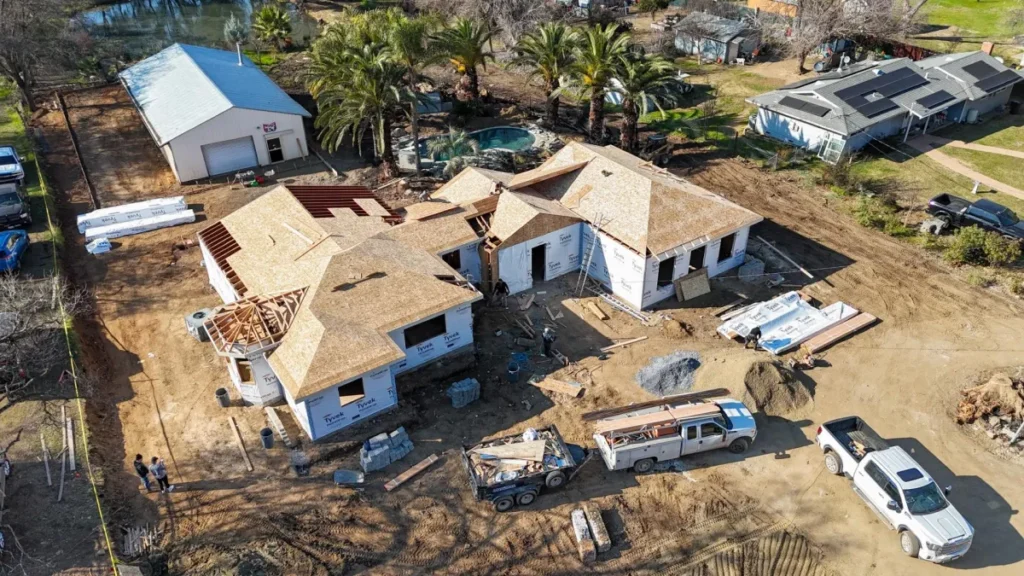
A Basement Conversion ADU in California typically costs between $75,000 and $200,000, or about $150 to $300 per square foot, depending on structural modifications, waterproofing needs, ceiling height compliance, egress installation, and local permit requirements. Costs increase significantly when foundation work, utility upgrades, or extensive code corrections are required.
What is The Average Basement Conversion ADU Cost in California
The total cost of a Basement Conversion Accessory Dwelling Unit varies based on existing conditions, location, and the scope of renovation. Homes with adequate ceiling height and minimal moisture issues fall at the lower end of the range, while properties requiring structural reconstruction land at the higher end.
- Basic basement conversion (minimal structural changes): $75,000–$110,000
- Mid-range remodel with system upgrades: $110,000–$160,000
- Extensive structural modifications and excavation: $160,000–$200,000+
- Average cost per square foot: $150–$300
In high-cost regions such as Los Angeles County, San Diego, and the San Francisco Bay Area, labor rates and permitting fees can push total costs above the statewide average.
Basement Conversion ADU Cost Breakdown
Below is a detailed estimate of common cost components associated with a California Basement ADU Project.
| Cost Component | Typical Cost Range |
| Architectural Design & Floor Plans | $8,000–$20,000 |
| Structural Engineering | $3,000–$10,000 |
| Building Permits & Plan Check Fees | $5,000–$15,000 |
| Structural Reinforcement or Underpinning | $20,000–$50,000 |
| Foundation Lowering or Slab Replacement | $15,000–$40,000 |
| Waterproofing & Drainage Systems | $5,000–$20,000 |
| Plumbing Installation & Sewer Lateral Upgrade | $10,000–$25,000 |
| Electrical Wiring & Panel Upgrade | $5,000–$15,000 |
| HVAC Installation | $5,000–$12,000 |
| Interior Finishes (Flooring, Cabinets, Fixtures) | $20,000–$50,000 |
The most unpredictable costs are usually related to structural correction, moisture mitigation, and compliance with California Building Code standards.
What Increases the Cost of a Basement Conversion ADU in California?
Several basement-specific factors distinguish this project from a typical Garage Conversion ADU or Detached ADU Construction.
Structural Modifications
One of the largest cost drivers in a Basement ADU Conversion is structural work. If the existing ceiling height does not meet the required minimum (often 7 feet), contractors may need to perform foundation lowering, underpinning, or slab excavation. These processes involve reinforcing the home’s structural system while excavating soil beneath the foundation, which significantly increases labor and engineering expenses.
Additionally, modifications to load-bearing walls, installation of new beams, or reinforcement for seismic compliance under California Seismic Standards may add tens of thousands of dollars to the project.
Code Compliance Requirements
Every California ADU must comply with state and local building regulations. The most common compliance-related upgrades include:
- Installation of an egress window system
- Meeting minimum ceiling height requirements
- Adhering to fire separation standards
- Compliance with Title 24 Energy Efficiency Standards
- Installation of interconnected smoke and carbon monoxide detectors
Failure to meet these standards can delay permit approval and increase revision costs during the plan check process.
Moisture, Drainage, and Environmental Conditions
Because basements sit below grade, moisture control is a critical factor in overall cost. A proper basement waterproofing system often includes installation of a French drain, sump pump system, and vapor barrier insulation.
In some regions of California, homeowners must also address radon mitigation requirements or mold remediation before construction can proceed. If the property lies within a designated flood zone, additional compliance measures may be required, increasing engineering and insurance costs.
Water intrusion is one of the most common hidden expenses in a Basement Conversion ADU Project, and thorough pre-construction inspections are essential to control budget overruns.
Utility Upgrades and Infrastructure Expansion
Converting a basement into a legal dwelling unit requires fully independent living systems. This often includes:
- A new kitchen plumbing rough-in
- A dedicated bathroom drainage system
- Possible sewer lateral upgrade
- Installation of a separate electrical subpanel
- Extension of gas lines
- HVAC zoning or separate heating system
Older homes may require complete modernization of their electrical service panel or water supply lines to support additional load capacity.
California Regulations That Impact Basement Conversion ADU Cost
The cost of a Basement Conversion ADU in California is directly influenced by statewide legislation and local enforcement of the California ADU Laws. While the state has streamlined approval through bills such as AB 68, AB 881, SB 9, and AB 2221, compliance with local building departments still affects design complexity, permitting fees, and construction scope.
Under current California State ADU Regulations, cities must ministerially approve qualifying ADUs, meaning discretionary hearings are generally not required. However, homeowners must still comply with local zoning ordinances, building code standards, and safety requirements. These compliance measures often introduce design revisions, engineering review costs, and additional construction upgrades.
Zoning and Development Standards
Although state law limits local restrictions, municipalities can still enforce objective standards such as:
- Setback requirements
- Lot coverage limits
- Height restrictions
- Fire access compliance
- Historic preservation overlay rules
- Coastal Commission review requirements
If the property falls within a Coastal Zone, an additional layer of approval may apply. This can extend the permitting timeline and increase soft costs related to documentation and plan revisions.
California Building Code and Title 24 Compliance
Every Basement ADU Conversion must comply with the California Building Code and Title 24 Energy Efficiency Standards. These standards regulate insulation values, ventilation systems, lighting efficiency, and mechanical performance.
Because basements are below grade, ensuring proper ventilation and energy performance often requires additional insulation upgrades and HVAC adjustments. Meeting Title 24 documentation requirements can also increase design and consultant fees, particularly if third-party energy calculations are required.
Permit Costs and Inspection Process
The permit approval process for a California Basement ADU includes plan check review, corrections, resubmittals, and multiple inspections during construction. Permit-related costs typically range between $5,000 and $15,000, depending on jurisdiction and project complexity.
Inspections commonly include:
- Foundation inspection
- Framing inspection
- Electrical inspection
- Plumbing inspection
- Mechanical inspection
- Final building inspection
Delays or corrections identified during inspections can increase labor costs and extend contractor timelines.
Geographic Cost Variations Across California
Construction costs vary significantly depending on labor markets, permit fees, and material pricing in different regions.
High-demand urban markets tend to experience elevated contractor rates and stricter building oversight, increasing both hard and soft costs.
Regional Cost Comparison
| Region | Estimated Cost Per Square Foot | Market Characteristics |
| Los Angeles County | $180–$300 | High labor rates, strict inspections |
| San Diego County | $170–$280 | Coastal regulations may apply |
| San Francisco Bay Area | $200–$350 | Premium labor market, high permit costs |
| Sacramento Area | $150–$250 | Moderate labor pricing |
| Inland California Regions | $140–$220 | Lower labor demand |
Urban areas typically require higher contractor overhead and may have longer permit review timelines. Rural or inland areas often offer more affordable labor but may have limited contractor availability.
Estimate Your Project with a Cost Planning Tool
Budget accuracy is critical before choosing a financing strategy. Small miscalculations can affect loan amounts and repayment timelines. To better understand your projected investment, use our basement conversion ADU cost calculator to generate a more precise estimate based on your project scope.
Common financing options include:
- Home Equity Line of Credit (HELOC)
- Cash-out refinancing
- Construction loans
- Renovation loans
- Personal savings or investment funds
A HELOC is one of the most common methods because it allows homeowners to leverage accumulated equity at relatively competitive interest rates. Construction loans may be appropriate for larger-scale structural renovations.
Before selecting a financing method, homeowners should evaluate repayment timelines against projected rental income potential.
Frequently Asked Questions
Do I need permits for a Basement Conversion ADU in California?Yes. A legal Basement ADU requires building permits, plan review approval, and final inspections under the California Building Code. Unpermitted conversions can create legal and resale complications.
What is the minimum ceiling height for a Basement ADU?Most jurisdictions require a minimum finished ceiling height of approximately 7 feet. If the existing basement does not meet this standard, foundation lowering or structural modification may be required.
Can I rent out my Basement ADU?In most California cities, long-term rental of a permitted Accessory Dwelling Unit is allowed. Short-term rental regulations vary by municipality and may be restricted.
How long does it take to complete a Basement Conversion ADU?From design to final inspection, most projects take between 4 and 8 months. Complex structural work or permit delays can extend the timeline.
Is a Basement Conversion more expensive than a Garage Conversion?It can be. A Basement Conversion ADU often requires waterproofing and structural reinforcement, while a Garage Conversion ADU usually involves fewer below-grade complications. Final costs depend on site conditions and local labor rates.